You know what nobody tells you about opening a coffee shop?
It’s not the espresso machine that kills you. It’s the branding.
You can dial in a perfect shot, source beans from a single estate in Huila, Colombia, and train your staff to pour latte art that makes people pull out their phones — and still lose to the Starbucks on the corner because they have a $200 million marketing team and you have a Canva account and a prayer.
I’m not saying that to discourage you. I’m saying it because I’ve worked with enough small business owners to know where they get stuck. And it’s almost never the product. It’s the positioning. The story. The brand system that makes someone walk past three other coffee shops to get to yours.
That’s where AI comes in. Not to replace the craft — God no, please keep pulling your shots by hand — but to build the brand infrastructure that most independent coffee shops never get around to creating.
In this guide, I’ll walk you through 9 prompts I’d actually use if a coffee shop owner walked into my office tomorrow and said: “I want a brand that can compete.” Each one is copy-paste ready for ChatGPT or Claude. I’ll explain what each prompt does, why it works, and what to tweak for your situation.
But first, let’s talk about what’s actually happening in the coffee industry right now — because context matters when you’re building a brand.
The Specialty Coffee Industry: A $111 Billion Opportunity With a Brutal Catch
The global specialty coffee market hit $111.5 billion in 2025 and is projected to reach $251.7 billion by 2033 — a compound annual growth rate of 10.8%. In the US alone, coffee shops generated over $74 billion in revenue, with specialty driving the growth engine.
Sounds like a goldmine, right?
Here’s the catch: the overall coffee shop market is decelerating hard. Growth dropped from a 6.9% CAGR between 2020–2025 to a projected 1.3% for 2025–2030. That means the pie is barely growing — but the number of people fighting for slices is exploding. An estimated 6,000+ new branded coffee shops opened globally in 2023 alone, with another 8,000 in 2024.
Average profit margins in the industry? Around 4–5%. And that’s before factoring in the coffee bean price crisis — Arabica prices more than doubled over the past year thanks to climate disruptions in Brazil and Vietnam. Robusta nearly doubled too. Your cost of goods is climbing while your ability to raise prices without losing customers stays flat.
Meanwhile, Starbucks holds 30–40% of US coffee shop revenue with 17,100+ locations. Dunkin’ takes another 26%. Dutch Bros is growing fast. And then there’s the wave of venture-backed specialty chains trying to scale the “artisan” vibe.
So what does an independent operator actually have going for them?
Three things the big chains can’t replicate:
1️⃣ Hyper-local identity. You can be the coffee shop for your neighborhood in a way Starbucks never will be.
2️⃣ Real craft credibility. When you talk about your single-origin Ethiopian natural process, it’s authentic.
3️⃣ Speed of reinvention. You don’t need board approval to launch a seasonal menu or partner with the bakery next door.
The problem is that most independent coffee shops never articulate these advantages into a brand system. They have great beans and terrible positioning. That’s the gap we’re going to fill with AI.
There’s also a massive generational shift happening. 75% of Gen Z coffee drinkers prefer flavored or customized drinks over traditional black coffee. Third-wave purists might cringe, but the market doesn’t care about your feelings. The shops that survive are the ones that balance craft credibility with accessible, experience-driven branding.
Meet BrewAIt: An AI-Built Coffee Brand Concept
To show you exactly how these prompts work in practice, we’re going to build a fictional specialty coffee brand from scratch.
BrewAIt — pronounced “brew it.” The name blends Brew (the core craft) + AI (the intelligence behind the strategy) + the phonetic punch of “just brew it” — a nod to the action-oriented, no-pretense attitude we want this brand to carry.
BrewAIt is a neighborhood specialty coffee shop targeting young professionals and remote workers (25–40) in a mid-sized US city. They roast in-house, offer a rotating single-origin menu, and position themselves as the “third place” that actually gets modern work culture — fast WiFi, long-stay friendly, and drinks that don’t require a glossary to order.
Now let’s build this brand, prompt by prompt.
Prompt 1: Industry Research Deep Dive
Before you brand anything, you need to understand the battlefield. This prompt turns AI into your personal market research analyst.
You are a senior market research analyst specializing in the food & beverage industry.

Conduct a deep-dive analysis of the specialty coffee shop industry in the United States as of 2026. Cover:

1. Market size, growth trajectory, and key inflection points
2. Competitive landscape — major chains vs. independent operators, market share breakdown
3. Consumer demographics and behavioral shifts (especially Gen Z and millennials)
4. Biggest operational challenges (input costs, labor, rent, supply chain)
5. Emerging trends: third-wave evolution, functional coffee, AI in operations, sustainability mandates
6. What independent coffee shops specifically struggle with vs. chains
7. Opportunities that are underexploited by most small coffee businesses

Be specific with data where possible. Cite trends, not opinions. Format with clear headers and bullet points. Write for a business owner, not an academic.
Why this works: The “senior market research analyst” framing forces structured, data-backed output instead of generic advice. Asking for independent vs. chain comparisons surfaces the exact competitive dynamics a small operator needs to understand. The “write for a business owner” instruction keeps the output practical.
What to tweak: Replace “United States” with your actual market. Add specific competitors in your city. If you’re in a niche (e.g., drive-through-only, or coffee + co-working), add that context.
Prompt 2: Business Concept Development
Now we turn research into a business concept.
You are a business strategist who helps entrepreneurs build differentiated small businesses.

Based on the specialty coffee industry landscape in 2026, develop a detailed business concept for an independent specialty coffee shop with these parameters:

- Location: Mid-sized US city (population 200K-500K), urban core neighborhood
- Target audience: Young professionals and remote workers, ages 25-40
- Differentiator: In-house roasting + "third place" optimized for modern work culture
- Budget: Bootstrap-friendly, under $150K initial investment
- Vibe: Approachable specialty — not pretentious, not basic

Include:
1. Core value proposition (one paragraph)
2. Revenue model and margin strategy
3. Menu philosophy (how to balance specialty credibility with accessible pricing)
4. Physical space concept (layout priorities for the target audience)
5. Three specific competitive advantages over both chains AND other indie shops
6. One unconventional revenue stream most coffee shops ignore

Be concrete. No platitudes. If you suggest something, explain how it makes money.
Why this works: Constraints breed creativity. By setting specific parameters (budget, city size, audience), you get tactical advice instead of generic “offer great coffee and service” drivel. The “explain how it makes money” closer forces every suggestion to be financially grounded.
What to tweak: Plug in your actual budget, location, and target demo. If you already have a concept, frame this as a validation exercise: “Here’s my concept — pressure-test it.”
Prompt 3: Brand Naming
Time to find the name.
You are a brand naming specialist who has named successful consumer food & beverage brands.

Generate 15 name candidates for a specialty coffee shop brand with these attributes:

- Approachable but credible (not corporate, not hipster-pretentious)
- Appeals to 25-40 year old professionals and remote workers
- Should feel like a place, not just a product
- Bonus if it works as a verb or has a natural hashtag
- Must be easy to pronounce, spell, and remember
- Should work across physical signage, social media handles, and a .com domain

For each name, provide:
1. The name
2. Pronunciation guide (if needed)
3. The logic behind it — what it communicates
4. One potential tagline pairing
5. Social media handle availability check format (@[name])

Also suggest 3 "name + tagline" combos that you think are the strongest, and explain why.
Why this works: The “feels like a place” instruction is key for coffee shops — you’re branding a destination, not just a drink. Requiring handle availability thinking forces names that actually work in the real world, not just on a mood board.
What to tweak: Add your city name or neighborhood references if you want a local anchor. Add words you love or hate to steer the creative direction.
Prompt 4: Brand Strategy & Positioning
This is where the brand gets its backbone.
You are a brand strategist who builds positioning frameworks for independent food & beverage businesses.

Create a complete brand strategy for BrewAIt, a specialty coffee shop targeting young professionals and remote workers in a mid-sized US city. The brand roasts in-house and positions itself as the modern "third place" — approachable specialty coffee without the pretension.

Include:
1. Brand positioning statement (classic format: For [audience] who [need], [brand] is the [category] that [key benefit] because [reason to believe])
2. Brand personality — described as a person (age, how they talk, what they wear, what music they play)
3. Three brand pillars with explanations
4. Competitive positioning map — plot BrewAIt against Starbucks, Dunkin', local indie competitors, and Blue Bottle on two axes of your choosing
5. Tone of voice guidelines with 3 "we say this / not that" examples
6. The one sentence a loyal customer would use to describe BrewAIt to a friend

Keep it sharp. This should fit on one page if printed. No fluff.
Why this works: The “described as a person” exercise creates a brand voice that’s actually usable — your baristas can channel it, your social media manager can write from it. The competitive positioning map forces you to pick your territory rather than trying to be everything.
What to tweak: Swap in your actual brand name and competitors. If you know your neighborhood, reference it — positioning is always relative to somewhere.
Prompt 5: Visual Identity System
Now we make it look like something.
You are a visual identity designer who specializes in food & beverage brands with a modern, craft aesthetic.

Design a comprehensive visual identity system for BrewAIt, a specialty coffee shop brand with these characteristics:
- Approachable, modern, craft-credible
- Targets 25-40 year old urban professionals
- Should feel warm but not rustic, modern but not cold
- Must work across: storefront signage, coffee cups, packaging, social media, website, branded merch

Describe in detail:
1. Logo concept — primary mark, icon version, wordmark. Describe the visual and what it communicates.
2. Color palette — primary, secondary, and accent colors with hex codes and the reasoning behind each
3. Typography system — headline font, body font, accent font. Suggest specific free or commercially available typefaces.
4. Photography style — describe the visual language for social media and website imagery
5. Pattern or texture element — a supporting graphic element that adds depth
6. Packaging system — how the brand translates to coffee bags, cups, and takeaway packaging
7. One signature design element that makes BrewAIt instantly recognizable in a crowded coffee shop market

Provide a mood in three words. Then build everything from those three words.
Why this works: Starting with a three-word mood creates internal consistency — every design decision flows from the same emotional core. Requiring the system to work across specific touchpoints prevents pretty-but-useless design concepts.
What to tweak: Add any existing design preferences (colors you love, brands whose aesthetic you admire). If you have a physical space already, describe it — the visual identity should match the environment.
Prompt 6: Brand Application Mockups
Let’s see the brand in context.
You are a brand designer creating mockup descriptions for a presentation deck.

Describe 8 realistic brand application mockups for BrewAIt, a specialty coffee shop. For each mockup, describe exactly what it looks like as if you're briefing a designer or AI image generator:

1. Storefront exterior — signage, awning, window graphics, outdoor seating context
2. Interior shot — counter area with menu board, brand colors in the environment
3. Coffee cup (hot) — 12oz paper cup with sleeve, lid, brand graphics
4. Coffee bag (retail) — 250g bag for single-origin retail, front and back
5. Social media post — Instagram-style post announcing a new seasonal single-origin
6. Website hero section — landing page above-the-fold with key messaging
7. Branded merch — a tote bag and enamel pin, something customers would actually use
8. Loyalty card or app screen — the mechanism that drives repeat visits

For each, describe: dimensions/format, visual elements, copy/text shown, overall mood, and one detail that makes it feel premium but not overdesigned.
Why this works: These aren’t just mockups — they’re a test of whether your brand system actually works. If the same visual identity can look good on a coffee cup and a website hero section and a tote bag, it’s a real brand. If it only works in one format, you have a logo, not a brand.
What to tweak: Add your actual menu items, seasonal offerings, or neighborhood landmarks. Replace mockup formats with whatever touchpoints matter most for your business.
Prompt 7: Product Mockup — The Signature Item
Every great coffee shop has one thing that’s theirs.
You are a product designer and food brand specialist.

Design a signature product concept for BrewAIt, a specialty coffee shop targeting young professionals. This should be a product that:

- Becomes synonymous with the brand (like Starbucks' Frappuccino or Blue Bottle's New Orleans Iced Coffee)
- Works year-round with seasonal variations
- Is Instagrammable without trying too hard
- Has good margins (target 75%+ gross margin)
- Can eventually be sold as retail/packaged product

Include:
1. Product name and description
2. Base recipe concept (enough detail to understand, not a full recipe)
3. What makes it visually distinctive
4. Seasonal variation strategy (4 seasons, 4 versions)
5. Retail packaging concept for grocery/online sales
6. Pricing strategy (in-store vs. retail) with margin reasoning
7. The "origin story" — a one-paragraph brand narrative for this product

Also describe one physical brand extension: a branded item related to this product that customers can buy and take home (not just merch — something functional).
Why this works: A signature product is a brand asset, not just a menu item. This prompt forces you to think about margin, scalability, and visual distinctiveness simultaneously. The retail packaging question pushes you beyond the four walls of your shop.
What to tweak: If you already have a hero drink, use this to refine and extend it. Add dietary considerations relevant to your market (oat milk default, sugar-free options, etc.).
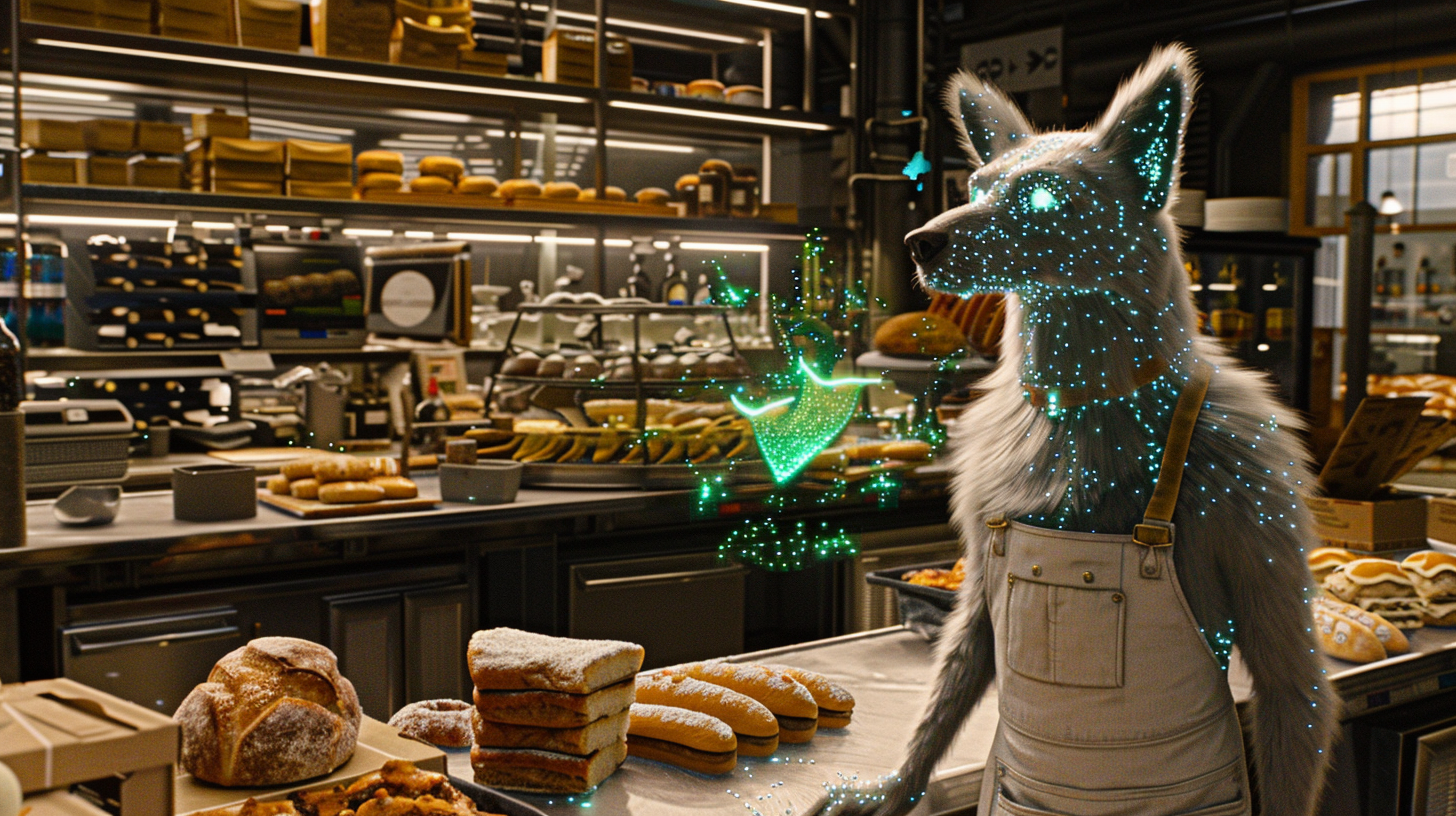
Prompt 8: Brand Mascot or Character
A mascot gives your brand a face — especially on social media.
You are a character designer and brand storyteller for food & beverage brands.

Create a brand mascot or character for BrewAIt, a specialty coffee shop brand. The character should:

- Be usable across social media, packaging, signage, and merch
- Appeal to 25-40 year olds (not childish, not corporate)
- Have enough personality to carry a social media presence
- Connect to coffee culture without being a generic coffee bean with eyes

Design:
1. Character concept — species/form, visual description, size relative to branding elements
2. Personality — 5 traits, communication style, catchphrase or recurring joke
3. Backstory — a 3-sentence origin story
4. Visual variations — describe 4 poses/expressions for different contexts (social media, cups, signage, error pages)
5. How the character appears on coffee cups (subtle? prominent? a small icon? a full illustration?)
6. One social media post concept featuring the character
7. The mascot's relationship to the brand — is it the founder's alter ego? A regular customer? The spirit of the shop?

The character should make people smile, not cringe. Think Mailchimp's Freddie — present but not obnoxious.
Why this works: The Mailchimp reference sets the right tone — present but not overwhelming. Requiring the character to work across touchpoints prevents a mascot that’s great on Instagram but weird on a coffee cup. The backstory creates depth for storytelling.
What to tweak: If mascots aren’t your vibe, pivot this to a brand illustration style or a recurring visual motif instead. Not every coffee shop needs a character, but every one needs a visual personality.
Prompt 9: Investor / Partnership Pitch
Whether you need investors, a landlord, or a wholesale partner, you need a pitch.
You are a pitch consultant who helps food & beverage founders raise capital and secure partnerships.

Write a compelling 2-minute pitch script for BrewAIt, a specialty coffee shop concept, designed for:
- Scenario A: A potential investor or small business lender
- Scenario B: A commercial landlord evaluating tenant applications
- Scenario C: A wholesale partner (office building, hotel, or co-working space)

For each scenario, include:
1. Opening hook (first 10 seconds — make them care)
2. Problem statement (what's broken in the market)
3. Solution (what BrewAIt does differently)
4. Proof points (market data, traction, or comparable success stories)
5. The ask (specific, concrete, not vague)
6. Closing line (memorable, confident, not desperate)

Also write a one-paragraph "about" section for a pitch deck that positions BrewAIt as the inevitable next step in specialty coffee's evolution, without using any of these words: revolutionary, disruptive, game-changing, or innovative.

Keep it conversational. This is a coffee brand, not a SaaS startup.
Why this works: Three scenarios force three different value framings for the same brand — which means you really understand your positioning. The banned-words list prevents the pitch from sounding like every other startup deck. And the “coffee brand, not a SaaS startup” instruction keeps the tone grounded.
What to tweak: Add your actual financials, location, or traction data. If you have comparable businesses that have succeeded in your market, mention them — social proof beats projections every time.
The Cross-Industry Lesson: Brand Infrastructure Is the Moat
Here’s what the coffee industry teaches us about AI-powered branding that applies to any small business:
Your product alone will never be your competitive advantage.
There are thousands of people who can pull a great espresso shot. There are hundreds of thousands of coffee shops worldwide. The beans you source? Someone else sources them too. The latte art? It’s on a thousand Instagram accounts.
What can’t be copied is a complete brand system — the positioning, the visual identity, the voice, the signature product, the story that makes someone feel like your shop is their shop.
That used to require a $50,000 branding agency and six months of work. Now it requires a weekend, a clear head, and the right prompts.
AI doesn’t replace the craft. The coffee still has to be good. The space still has to feel right. The barista still has to remember your name. But AI can build everything around the craft — the infrastructure that turns a good coffee shop into a brand that survives.
Every prompt in this guide is a building block. You don’t need all nine. You don’t need to use them in order. But if you work through even three or four of them, you’ll have more brand clarity than 90% of independent coffee shops operating today.
And if you’d rather have someone do this for you? That’s what we do. Direktorium exists to make AI-powered business building practical, and if you need hands-on help — from brand strategy to visual identity to pitch decks — that’s our lane.
Now go brew something. ☕
Want more AI prompts for building real businesses? Browse our industry brand guides — we cover everything from fitness studios to restaurants, with the same prompt-by-prompt approach.