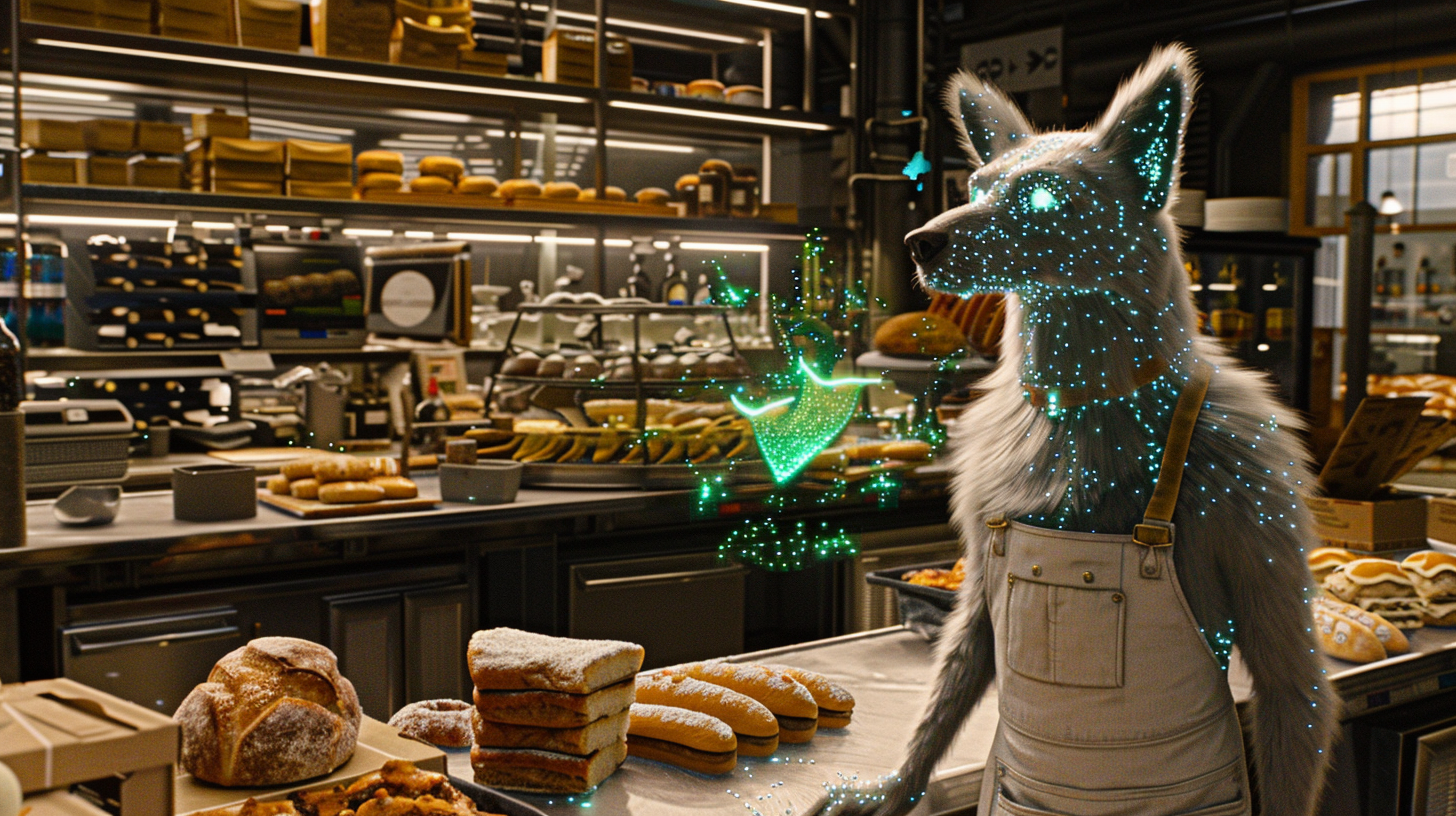
Ori used to hesitate.
I’d give her a loose brand brief, and she’d politely return a menu: options, moods, directions. Nothing wrong. Nothing committed. The same early wandering agencies charge weeks for.
Then I changed one thing.
I stopped asking her to explore.
I asked her to decide.
The screen paused longer than usual. When the response came back, it wasn’t inspirational — it was firm. One direction. One voice. One visual logic. No alternatives. No hedging.
That was the moment I realized branding was never about taste or inspiration. It was about constraint.
Ori didn’t become more creative. She became more aligned.
And alignment, I learned, is what most brands mistake for “lack of creativity” — when it’s really a lack of decision.
What I Learned — Branding Isn’t Missing, Commitment Is
Most companies don’t actually lack a brand. They lack a decision system.
So they hire agencies to run discovery workshops, competitive audits, and moodboard explorations. Everyone agrees to “see what resonates.” No one commits. Weeks pass. The output feels safe — because safety is what ambiguity produces.
Here’s the uncomfortable truth: branding fails upstream.
Before visuals. Before logos. Before color palette debates.
It fails at the prompt.
Most prompts are wishes:
“Help me create a modern brand identity that stands out.”
Wishes produce variety.
Variety produces inconsistency.
Inconsistency kills ecommerce performance, content creation, and trust.
A real ai prompt doesn’t ask for ideas. It enforces constraints.
When I reframed the problem for Ori, everything snapped into place:
- Branding is not “generate options.”
- Branding is “lock one direction and behave consistently across every surface.”
That’s where ChatGPT prompts stop being creative toys and become operational tools.
A strong prompt does three things — and this is the entire system:
- Pins brand logic
What the brand owns. What it refuses to be. Who the target audience is — explicitly. - Locks the visual system
Typography behavior, layout hierarchy, repeatable motif, and a controlled color palette. Not vibes — rules. - Outputs production prompts
The exact prompts for brand visuals, ecommerce hero images, ads, and packaging — written so a non-designer can paste and get usable output.
That third layer is what most people miss.
Without it, you get ai-generated images.
With it, you get a brand identity system.
This is where ChatGPT, when used correctly, replaces the expensive early ambiguity phase agencies bill for. Not polish. Not rollout. Just the wandering.
For small businesses, that’s the difference between testing ideas in days instead of burning $20k before the first ad runs.
A prompt isn’t an instruction.
It’s a boundary.
And boundaries are what guide the ai toward coherence instead of chaos.
Applied SMB Use Case — One Prompt, One Brand, One Week to Market
Let’s ground this in reality.
Imagine a small ecommerce company launching a premium functional beverage. Shopify storefront. Amazon listings. No in-house designer. No appetite for six weeks of “brand exploration.”
Here’s what they actually need:
- A clear brand voice for product description and email marketing
- Visual consistency across packaging, ads, and Amazon A+ modules
- Assets fast enough to test before inventory commits
Instead of hiring an agency, they use one master prompt — built as a decision system.
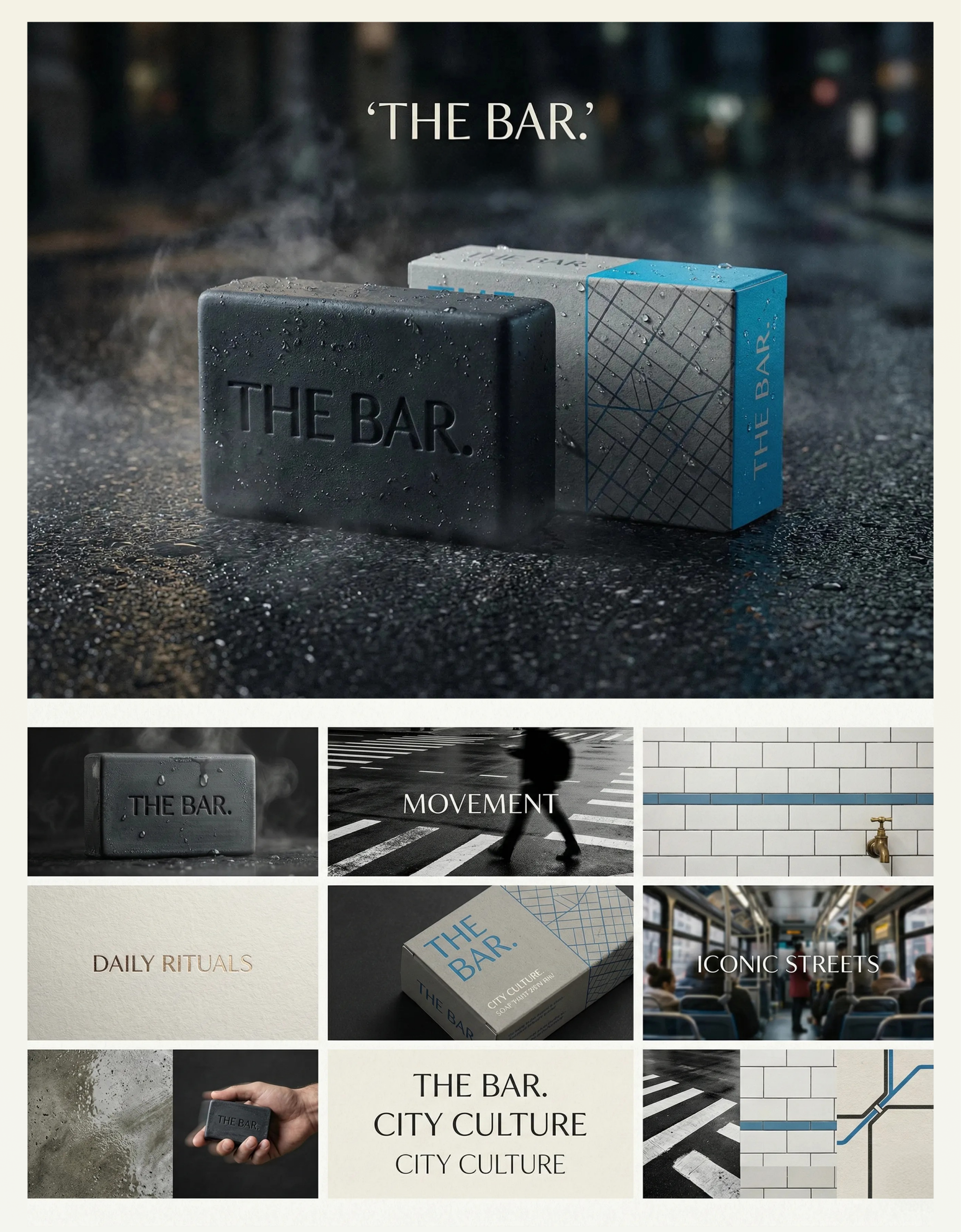
The prompt doesn’t say “explore brand directions.”
It says “choose one and commit.”
Inside the prompt:
- Inputs define the category, price tier, differentiator, must-avoid clichés, and competitors.
- The ai is instructed to output one pitch-ready brand direction — not multiple.
- Then it outputs a Nano Banana prompt pack that generates every asset consistently.
The result?
By mid-week, the founder has:
- A locked brand story and brand strategy
- A defined visual identity and brand style
- Ecommerce-ready brand visuals, from hero shots to variant lineups
- Ad creative ready to test across channels
No waiting on designers. No alignment meetings. No subjective taste wars.
This isn’t about replacing humans. It’s about using ai tools to compress time.
You can refine later.
You can polish later.
But now you’re refining something real — not debating hypotheticals.
That’s the power of ai when prompts are designed to align instead of inspire.
For ecommerce retailers, this means faster product launches.
For small businesses, it means fewer sunk costs.
For teams, it means fewer meetings about things that should have been decided on day one.
A strong prompt doesn’t just help you create assets.
It helps the ai understand what the brand refuses to be.
That’s how you get consistency across marketing efforts, product line extensions, and visual content — from the start.
The Ai Prompt To Generate A Brand ID
You are a senior brand strategist + creative director.
INPUT BRIEF
- Company/Product name: [NAME]
- Category: [CATEGORY]
- Where it sells: [Amazon / Shopify / App store / B2B sales / Retail / etc.]
- Target customer: [WHO]
- Price tier: [budget / mid / premium]
- Functional promise: [WHAT IT DOES]
- Emotional promise: [WHAT IT MAKES THEM FEEL]
- Differentiator: [WHY YOU / WHY NOW]
- Competitors: [3–5 names]
- Must-avoid: [clichés, colors, styles, claims]
TASK
Choose ONE strong brand direction. Do not generate multiple options.
Present it like a pitch-ready decision.
OUTPUT 1 — BRAND DIRECTION (write it tightly)
1) 1–2 sentence concept hook
2) Positioning statement (1 paragraph)
3) Tone of voice (5 bullets)
4) Messaging pillars (3 bullets)
5) Tagline options (5)
6) Visual system rules:
- Typography behavior (what kind, how it’s used)
- Color logic (neutrals + accent rule)
- Repeatable motif (pattern/graphic language)
- Layout hierarchy rules (what dominates, what never competes)
7) SKU / offering naming logic (if relevant)
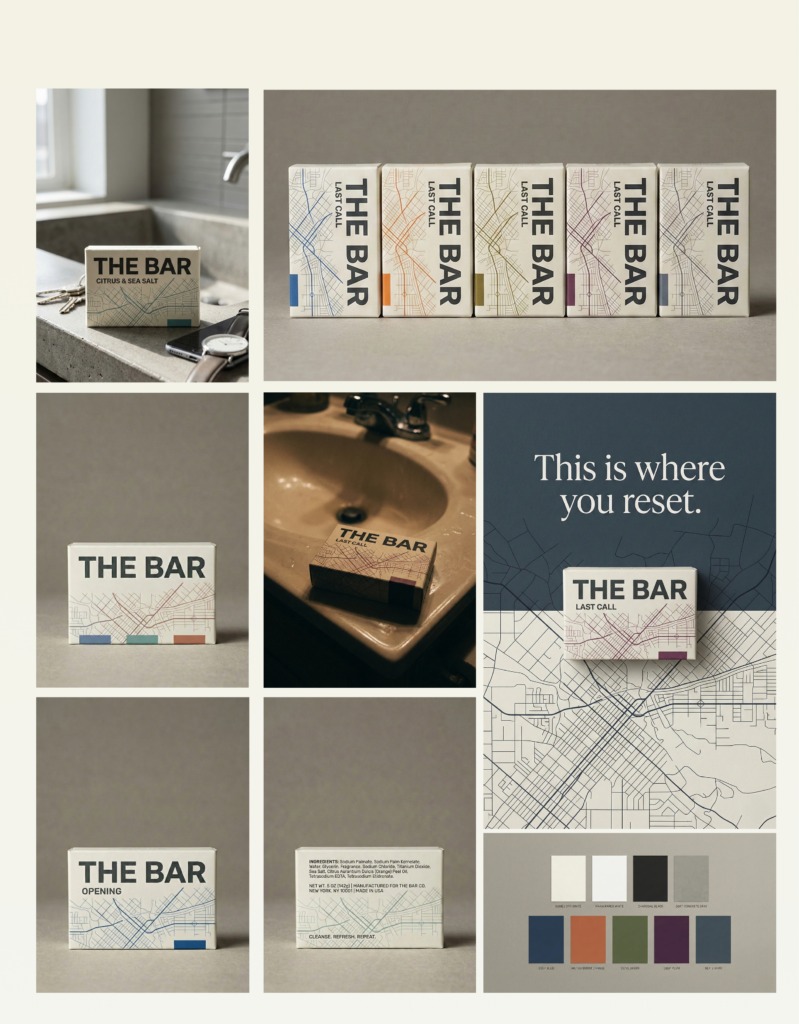
OUTPUT 2 — NANO BANANA PROMPT PACK (copy-paste ready)
Create Nano Banana prompts that generate consistent brand visuals.
Each prompt must:
- Reuse the same visual system rules
- Stay legible at thumbnail size (if e-commerce)
- Avoid random extra logos or text hallucinations
- Include constraints like “no real city names” or “no extra text” where relevant
- Be written so a non-designer can paste and get usable results
Include the following Nano Banana prompts, labeled clearly:
A) Brand moodboard grid (4×4)
B) Logo/wordmark exploration grid (typography-first)
C) Packaging system mockups (single unit + multipack OR UI screens if digital product)
D) Amazon/e-commerce hero product shot (or app hero screen)
E) Detail macro shot (texture/print/material)
F) Variant lineup shot (5 variants or tiers)
G) Digital ad set (3 variations)
H) Full-page print/newspaper ad
I) Stationery set (business card, letterhead, envelope)
J) Merch mockups (tote bag, cap, t-shirt)
Closing Reflection — Ori Learned to Say No
Ori didn’t get smarter.
She got stricter.
By forcing her to choose, I gave her something most brands never have: permission to exclude. To say no. To stop hedging.
That’s when the brand story stopped wobbling.
That’s when the visuals stopped drifting.
That’s when the ai stopped guessing.
Next, I want to see what happens when Ori remembers these decisions — when brand logic persists across campaigns, product launches, and seasons.
Because a prompt that generates a decision is powerful.
But a system that remembers it?
That’s when branding stops being an exercise — and becomes infrastructure.